When Your Reports Get It Wrong
Late payments that weren't late. Accounts that aren't yours. Balances that don't match your records. If your reports contain errors, they may be costing you — let us find out what can be challenged.
Your report might show a payment as late when you paid on time. A balance that does not match your statements. An account you have never heard of. The same debt listed twice. An account status that is plainly wrong, or information so old it should no longer be there. These are more than annoyances — they shape how lenders and other authorized parties judge your financial history.
We help you figure out what may be inaccurate and what to do about it. That means preparing disputes that are clear and specific — naming the information in question and explaining why it may be wrong. We will not claim every negative entry can be removed: accurate negative entries generally stay, and you deserve to know that before you start.
These are actual results from past clients, previously shared on Instagram. Every credit file is different, so treat these as examples of what the process can look like, not as a promise of what yours will do.
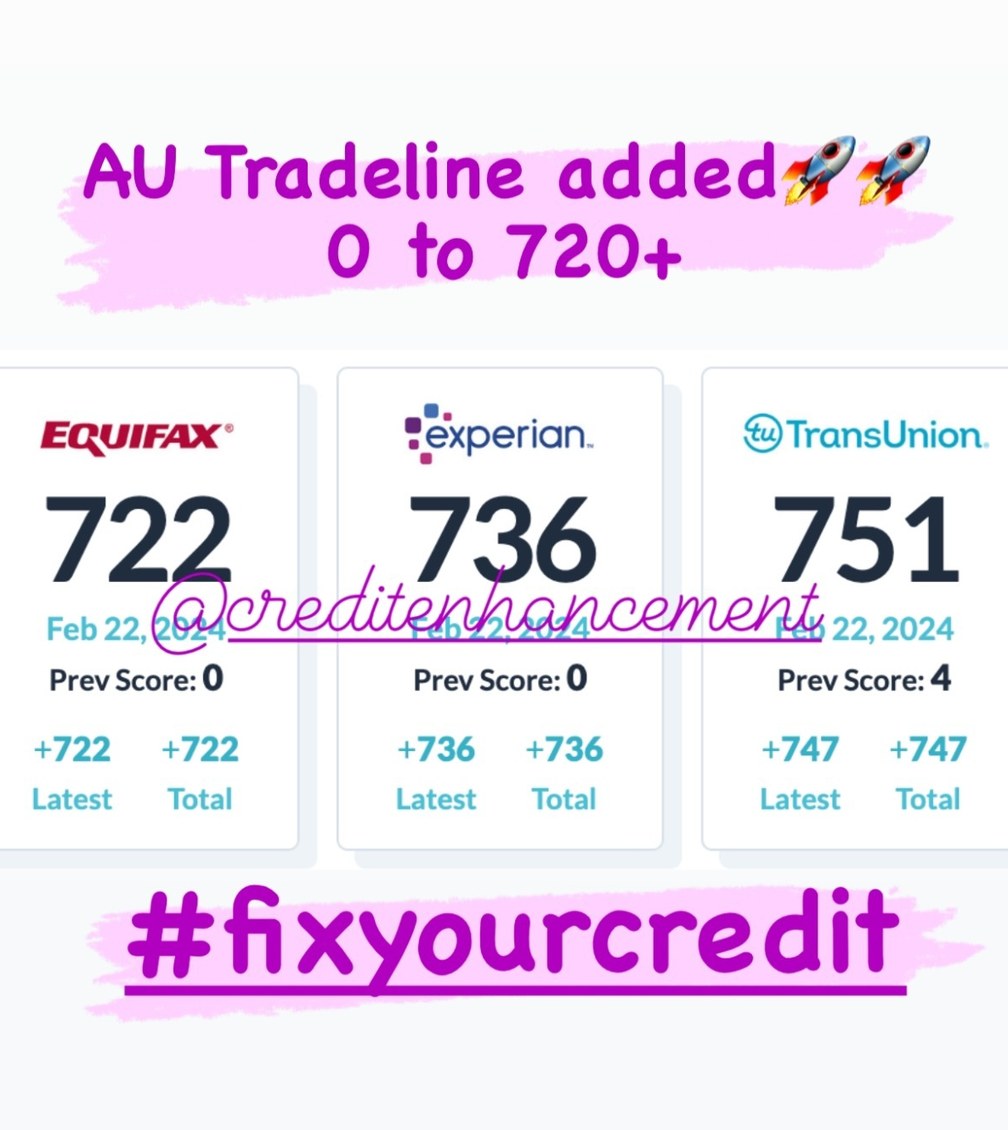
Authorized-user tradeline added: Equifax 722, Experian 736, TransUnion 751 from no credit history, February 2024.
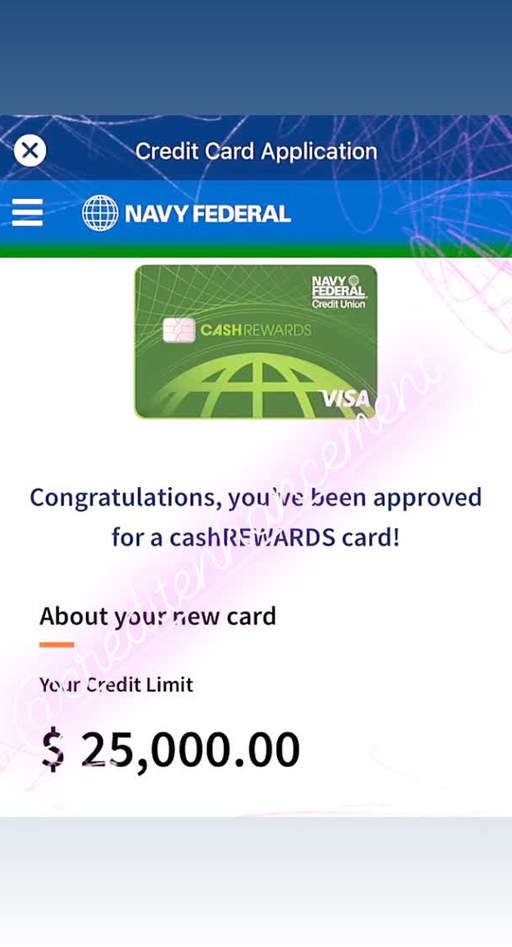
A client was approved for a Navy Federal cashREWARDS card with a credit limit of 25,000 dollars in February 2024.
Results vary from person to person and depend on what is in each credit file. Nothing here promises a particular score increase or deletion.
A wrong balance, an account that is not yours, a late payment you know you made — mistakes hide in the details until someone reads them. A dollar lets you read all three reports yourself and mark what looks off.
You cannot fix what you have not seen. Start with the look.
A week of looking is $1 at MyScoreIQ and the rate for the weeks after is $34.99 a month. Stop it whenever you like.
Not every negative entry can be challenged. A dispute should target information that is inaccurate, incomplete, unfamiliar, or unsupported — here are the problems we encounter most often.
Personal details go wrong more often than people think — a misspelled name, an old address, out-of-date employment information — and we help you catch them.
An unfamiliar account may be a reporting error, or it may signal an identity concern. We help you review unfamiliar accounts and work out which it is.
We compare reported late payments and account statuses against your records to find details that do not line up.
A duplicate entry throws off your reported balances and your whole credit picture. We help you find accounts that appear more than once.
Older or partial entries do not always line up with the reporting rules. We help you see how each one is reported and whether the details hold up.
A dispute works best when it names the exact information being challenged and explains why it may be inaccurate. Vague letters do not get results.
Legitimate reporting problems are what we focus on — not the suggestion that every negative entry can be made to disappear.
Once a dispute is filed, we help you understand how to respond to what comes back — and what else might help.
We start with the entries that worry you most and talk through the details in your credit reports.
We help you spot information that appears inaccurate, incomplete, or inconsistent with your own records.
We help prepare a dispute that is specific — naming the information in question and explaining the concern.
We read through responses from the reporting agencies together and talk about what to do next.
No. Disputes are for information that looks inaccurate, incomplete, or unsupported — not for every negative entry. When negative information is accurate, a legitimate accuracy dispute generally cannot remove it.
Paperwork can help a dispute, but the part that matters most is pointing to the exact entry and saying plainly why it looks wrong. We can go over what supporting material, if any, fits your situation.
No — timing depends on the agency, the information provider, and the complexity of the issue. We will not promise you a particular timeline.
You can dispute inaccurate information directly with the credit reporting agencies yourself. Some people prefer guidance when putting together a clear and specific dispute — that is what we offer.
Think something on your credit report is wrong? Let us take a closer look at it together. Call (469) 281-1250.