Start With Your Credit Reports
A car loan that got denied, a mortgage that stalled, a rate that came back higher than you expected — the explanation is usually sitting in your reports. Let us help you read them.
When a lender says no — or offers a rate that feels too high — there is usually a reason, and that reason is often written in your credit reports. It could be an account you do not recognize, a balance that does not match your records, a payment marked late that you made on time, or a collection entry you never saw coming. Until you look at the details, you cannot tell what deserves attention and what is just noise.
That is what a credit report review is for. We sit down with your reports — all three bureaus — and explain each entry in everyday words: account statuses, payment history, balances, inquiries, and everything else the bureaus report. We point out entries that look inaccurate and talk through your options. What we will not do is promise a score change or a lending result, because no honest review can.
These are actual results from past clients, previously shared on Instagram. Every credit file is different, so treat these as examples of what the process can look like, not as a promise of what yours will do.

A client walked into a dealership with nothing down and drove out in a brand-new Lexus in July 2020.
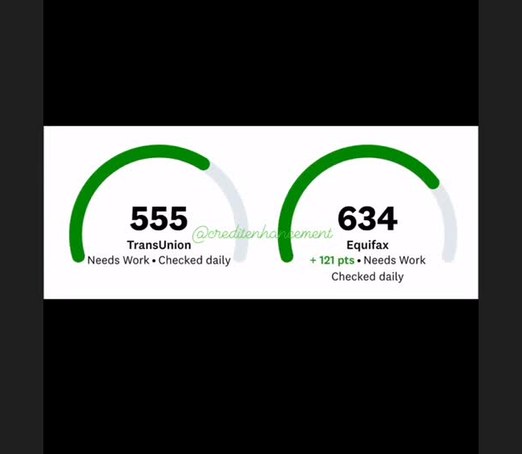
Results vary from person to person and depend on what is in each credit file. Nothing here promises a particular score increase or deletion.
A review starts with the page itself — what each bureau says, line by line. For a dollar, you can pull all three reports and read them at your own pace, so when we talk, you already know what is on them.
The review is better when you have seen the file first. A dollar gets you the look.
The trial runs through MyScoreIQ at $1 for the first week and then $34.99 a month. You can cancel any time.
A good review looks at the whole file, not just the worst entry. Here is what we go over with you, and why each part matters.
Account names, who owns each account, opening dates, statuses — we check the details that reveal an account you do not recognize or one reported incorrectly.
We go over how your reported payment patterns, late payments, and account statuses appear on your reports — and what to check when the details do not match your records.
We explain your reported balances, your available revolving credit, and your utilization — what each one means, and how scoring models usually weigh them.
Collection accounts and charged-off debts get the same careful look — the amounts, the statuses, and whether the details hold together or contradict each other.
We explain how hard and soft inquiries differ, and help you spot inquiries you do not recognize or believe were reported in error.
We explain each account entry in everyday language, so your decisions rest on understanding rather than confusion.
A review is only useful if it catches what you would miss on your own. We look for information that may be inaccurate, incomplete, unfamiliar, or inconsistent with the rest of the file.
We are straight about the difference between information that may be inaccurate and negative reporting that is accurate. Accurate information generally stays, and we will not pretend otherwise.
Tell us what brought you here. A car loan, a mortgage, an apartment application, a rate that came back too high — whatever it is, your goal is what shapes the review.
We talk through the reports and account details you have, and focus on the information that matters for your situation.
We point out the entries that may be worth investigating further — or challenging with a factual dispute.
We explain your options for what comes next, and talk about the credit habits that support your broader financial goals.
Because the three bureaus do not always carry the same information about you. An account can show on one report and not the others, or carry a different balance or date. Checking only one can miss something important — we encourage every customer to look at all three reports.
A review often turns up accounts or inquiries you do not recognize, and that can be the first sign of identity theft. If that happens, report it through the proper identity theft and credit reporting channels as well as raising it with us.
Yes. When you check your own report, that is generally a soft inquiry, and soft inquiries do not lower your score. Hard inquiries — the kind that come from lender applications — are a different matter.
Your reports, if you have them — the conversation is more productive with them in hand. But you can call without them; we will help you understand how to get them.
Wondering what a lender sees when they pull your file? A careful review of your reports is where the answers start. Call (469) 281-1250.