Building Stronger Credit Habits
Credit repair isn't only about fixing the past. The habits you build now are what move you forward — here is how they work.
Some people come to us after a denial or a high interest rate. Others are starting credit for the first time, rebuilding after a rough patch, or preparing for a future mortgage or auto loan. Whatever your starting point, understanding how credit works helps you make decisions that support your goals.
Our credit building guidance is practical education. We explain payment history, utilization, account age, credit mix, and new credit activity — and we talk about habits that support your profile, like reviewing statements, keeping revolving balances manageable, and skipping applications you do not need. None of this guarantees a particular score or lending outcome, but it helps you make credit decisions with a clearer head.
These are actual results from past clients, previously shared on Instagram. Every credit file is different, so treat these as examples of what the process can look like, not as a promise of what yours will do.
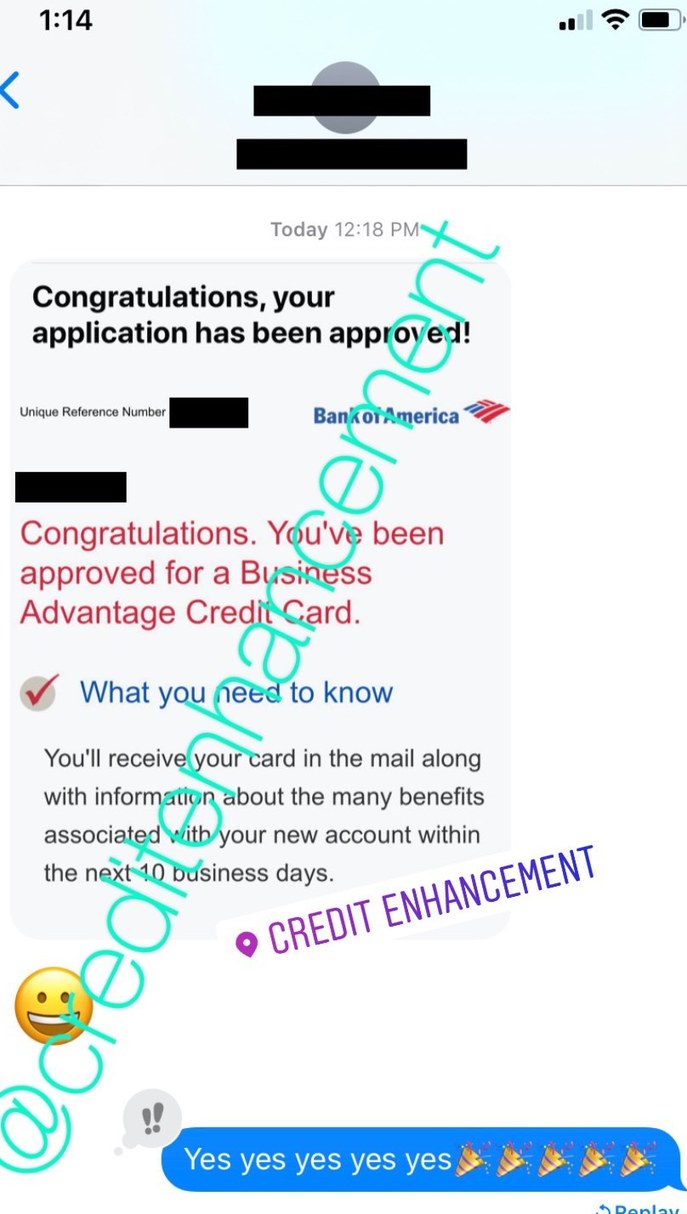
A client was approved for a Bank of America Business Advantage Credit Card in May 2020.
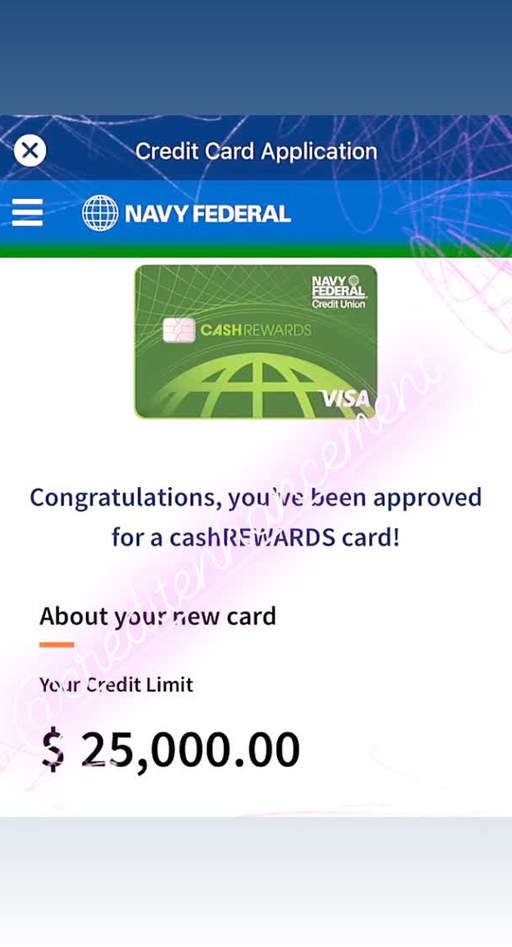
A client was approved for a Navy Federal cashREWARDS card with a credit limit of 25,000 dollars in February 2024.
Results vary from person to person and depend on what is in each credit file. Nothing here promises a particular score increase or deletion.
Good habits need a starting point, and the starting point is your three scores. A dollar shows you where each bureau has you today, so the habits you build aim at the numbers that actually need work.
Build from what you know, not from what you guess.
Start for $1 with MyScoreIQ and get 7 days. The months after are $34.99 each and you can cancel any time.
Credit building is about more than paying one bill on time. These are the topics we cover with you, and how each one may affect your profile.
On-time payments — and reported late payments — shape your credit profile. We explain how each one counts.
Revolving balances, available credit, utilization — we go over what each one means and how it is usually evaluated.
The age of your accounts and the types of credit you use may both be taken into account — we explain how each one works.
We talk about how new applications and recent inquiries may affect your credit profile — and when to apply.
Checking your reports and statements regularly helps you catch errors early and understand changes as they happen. We encourage making it a habit.
Education comes first here: we explain how credit works so you can make informed decisions long after we have finished talking.
We focus on habits you can actually maintain — no shortcuts, no unrealistic outcomes.
Whether you're starting from scratch or rebuilding after difficulties, the guidance fits your circumstances.
Your credit reports, your account history, your financial goals — we talk through all three together.
Payment history, utilization, account age, credit mix, and new credit activity — we explain each one in plain language.
We help you settle on responsible habits that fit your life and that you can actually stick with.
We talk about ways to keep an eye on your reports and statements over time.
Building credit is usually a slow process. Steady habits help your profile over time, though nobody can promise a particular score change or a set timeline.
It varies. Opening an account touches your average account age, your mix of account types, and your recent inquiries all at once. We can walk through how those pieces interact before you decide.
Installment loans and other reported obligations can build history too. The right approach depends on your circumstances.
Closing an account can affect your credit utilization and account age. We can talk through the factors to consider first.
Want stronger credit habits? They start with an honest look at where your credit stands now. Call (469) 281-1250.